Supporting North Carolina Coastal Communities
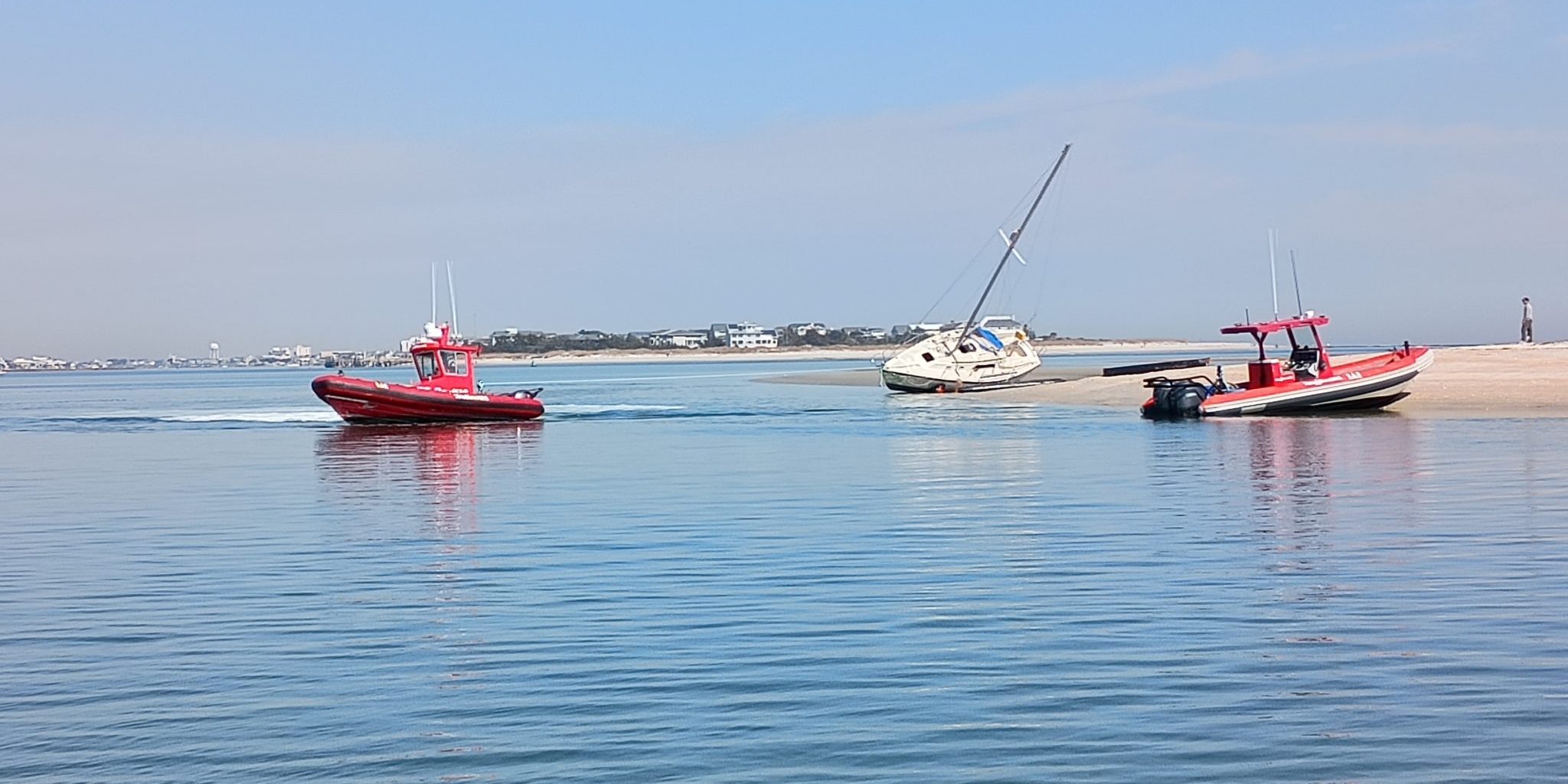
Abandoned and derelict vessels (ADVs) are a growing challenge across North Carolina’s coast. Aging boats, storm impacts, and long-term neglect can leave vessels stranded in marshes, waterways, sounds, and along shorelines, creating navigation hazards, threatening water quality, damaging sensitive habitats, and impacting waterfront communities.
Following Hurricane Florence in 2018, the North Carolina Coastal Federation began working closely with local governments, contractors, and state and federal agencies to support abandoned vessel assessment, removal, and long-term recovery efforts across the coast. Since then, this work has expanded to include policy discussions, prevention strategies, outreach, and technical support for coastal communities navigating ADV challenges.
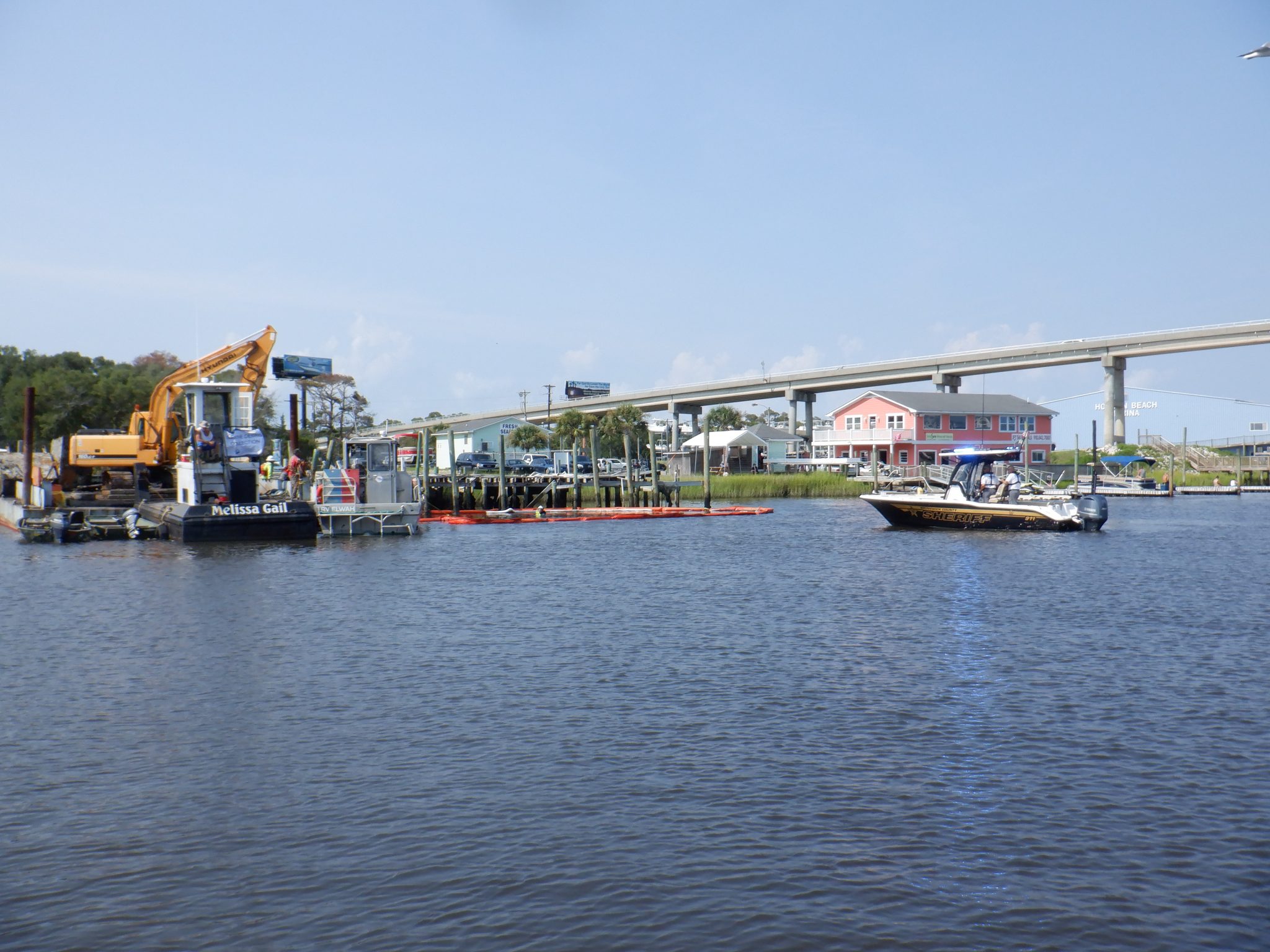
Since 2020, a combination of nonrecurring state, federal and private funding has allowed the Coastal Federation, in partnership with the NC Wildlife Resources Commission and local governments, to create the largest abandoned and derelict vessel removal program in North Carolina, with over 450 vessels removed to date.
What You’ll Find in the Toolkit
The Federation’s ADV Toolkit for Local Governments is designed to help communities better understand and respond to abandoned and derelict vessel issues.
The downloadable toolkit includes:
- Overview of state and local authorities;
- Model ordinance examples;
- Contractor guidance and questions to ask;
- Best management practices for vessel removals;
- Prevention and preparedness strategies;
- Funding and partnership resources;
- Case studies and lessons learned from North Carolina communities.
Why ADVs Matter
ADVs can create significant environmental, economic, and public safety impacts, including:
Environmental Impacts
- Damage to marshes, oyster beds, submerged aquatic vegetation, and other sensitive habitats
- Fuel, oil, and hazardous material leaks
- Long-term debris accumulation from fiberglass, treated wood, plastics, and other materials
- Habitat disturbance during improper removal activities
Navigation and Public Safety Concerns
- Hazards to recreational and commercial navigation
- Risks to emergency response and access
- Public safety concerns associated with unstable or submerged vessels
Economic and Community Impacts
Increased cleanup costs over time as vessels deteriorate
Reduced waterfront aesthetics and tourism value
Costs to local governments and property owners
Impacts to fisheries, boating access, and waterfront recreation
Toolkit Resources:
For more resources, tips, and updates on abandoned and derelict vessels, visit nccoast.org/adv.
What Is an Abandoned or Derelict Vessel?
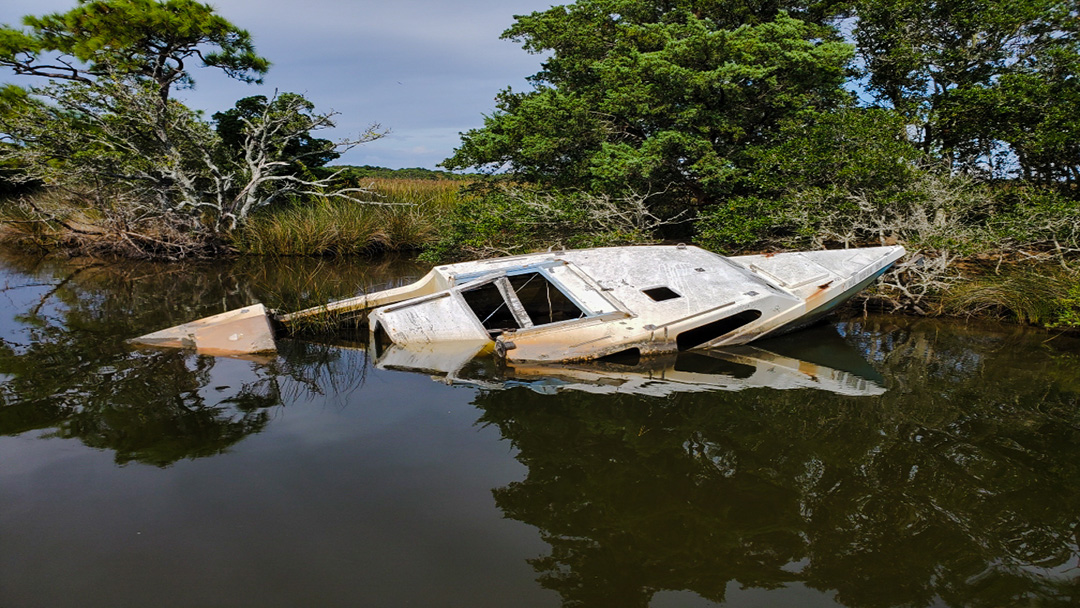
Definitions vary by jurisdiction and program, but generally ADVs are vessels that are:
- Without an identifiable owner, or with an owner unwilling or unable to address the vessel
- Left unattended for extended periods
- Sinking, grounded, stranded, or in danger of sinking
- Substantially damaged or dismantled
- Not in compliance with required lighting and marking
- Improperly moored or anchored in waterways or public trust areas
Understanding Authority and Roles
Historically, it was very difficult, if not impossible, for local governments and state agencies to remove and dispose of ADVs. Beginning in 1981, the N.C. General Assembly granted certain coastal municipalities broader authority to regulate activities within their navigable waters. While this authority could be used in some cases to address abandoned vessels, it was not specific to ADVs. In 2015, the General Assembly enacted legislation authorizing all 20 coastal counties to remove qualifying ADVs using a process similar to that for junked motor vehicles. This authority was expanded in 2023 to include all incorporated cities and towns in North Carolina. Following Hurricane Florence, the General Assembly provided WRC with temporary statewide authority and funding in 2019 to investigate, remove, and dispose of ADVs. In 2026, the General Assembly made WRC’s ADV authority permanent, formalized WRC’s partnership with the Federation, and provided recurring funding to support statewide ADV removal and disposal efforts. As a coastal waterfront property owner, ensuring your dock is safe, compliant, and durable is crucial.
S.L. 1981, Chapter 710, S.B. 660
2013 G.S. 153A-132
2015 G.S. 153A-153(i)
S.L. 2019-108, S.B. 215
Session 2019 Session Law 2020-74 House Bill 308
2026 Appropriations Act (Senate Bill 257)
Once a vessel has been identified, multiple agencies may become involved depending on ownership, location, environmental impacts, and removal needs.
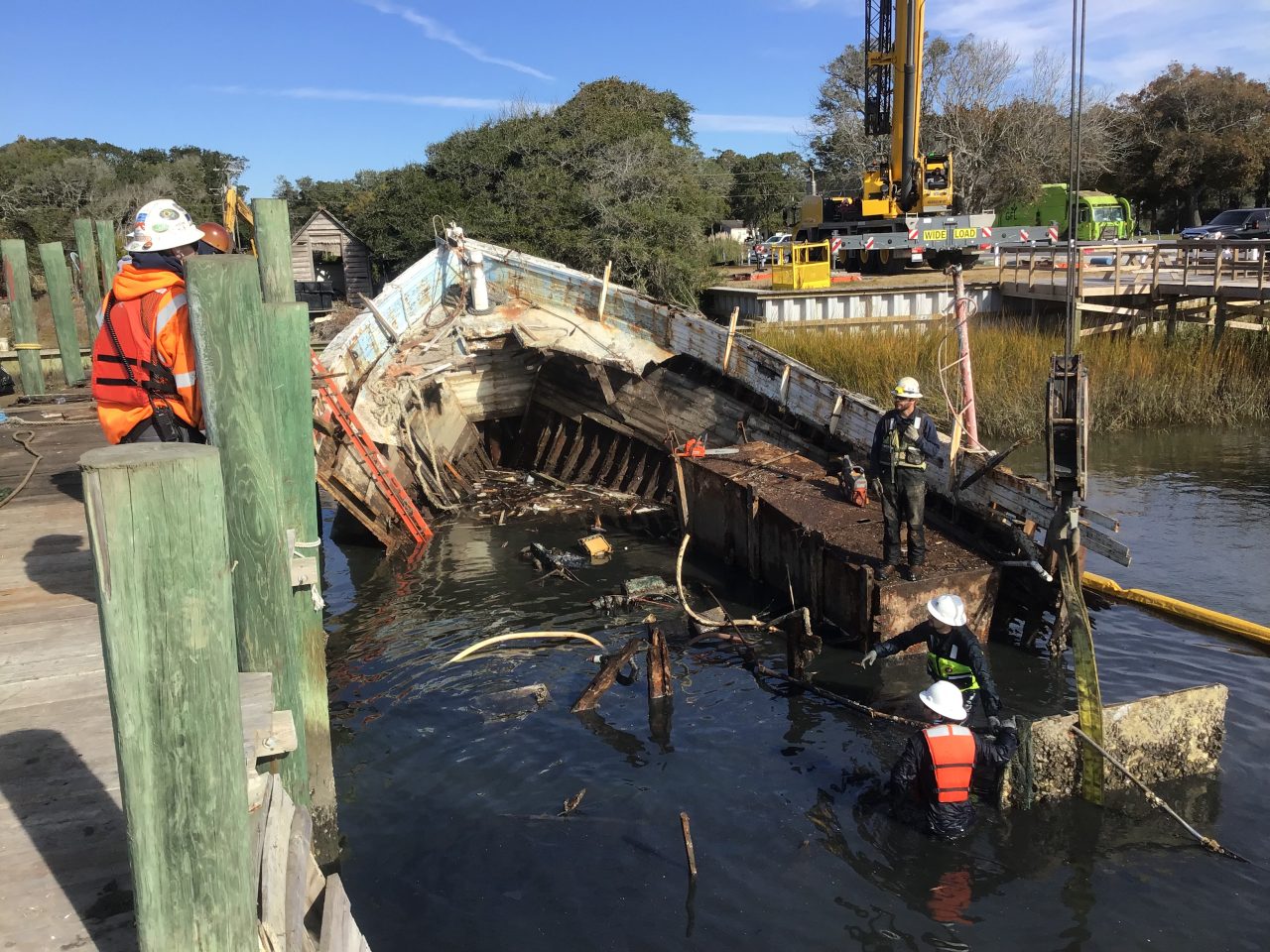
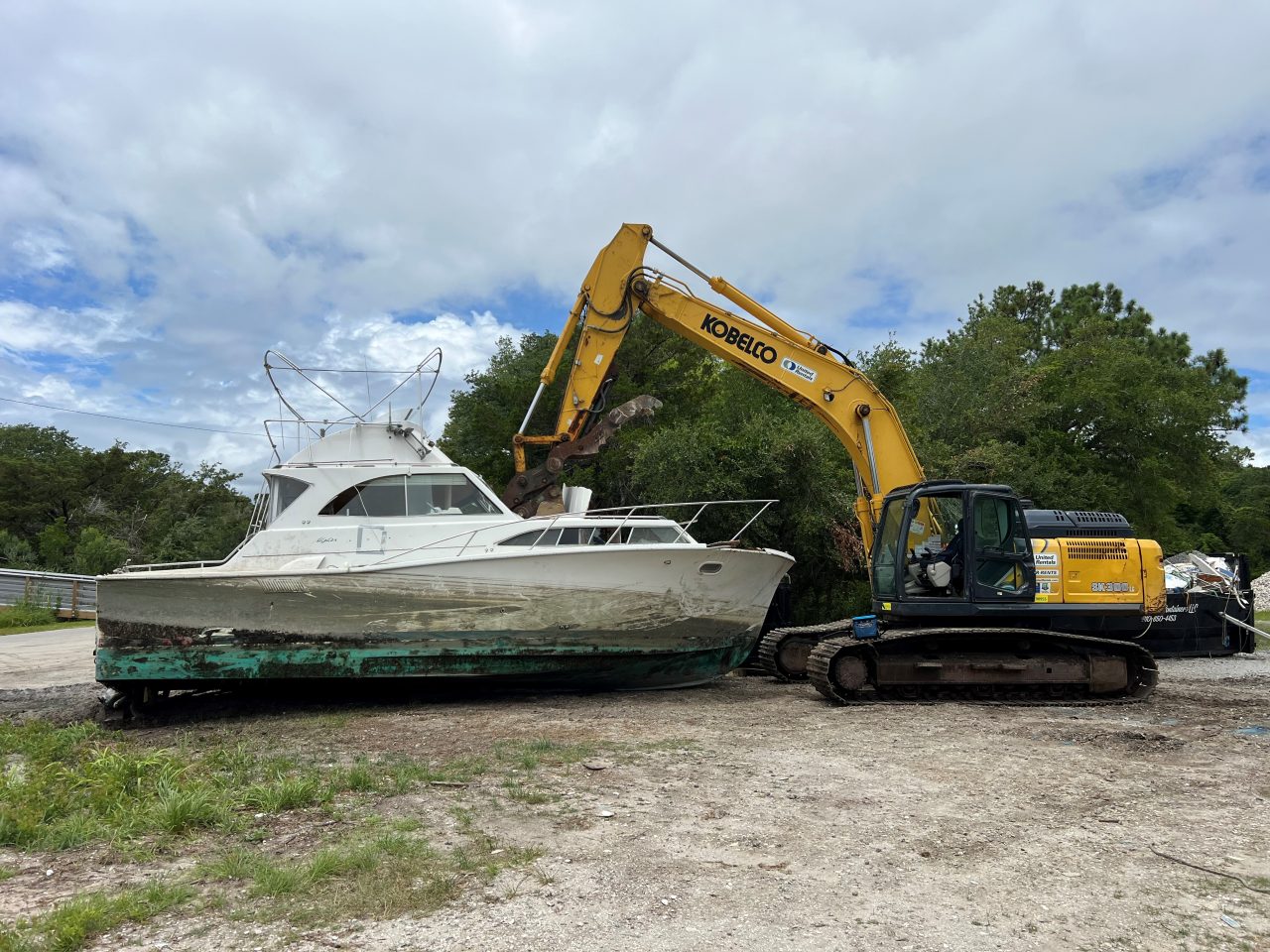
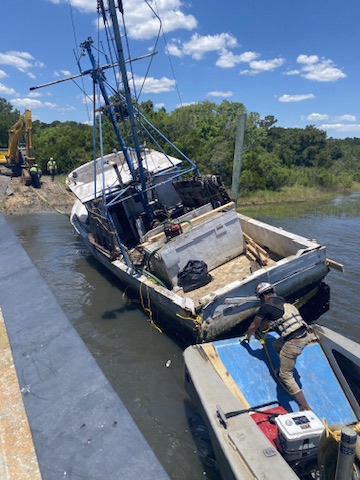
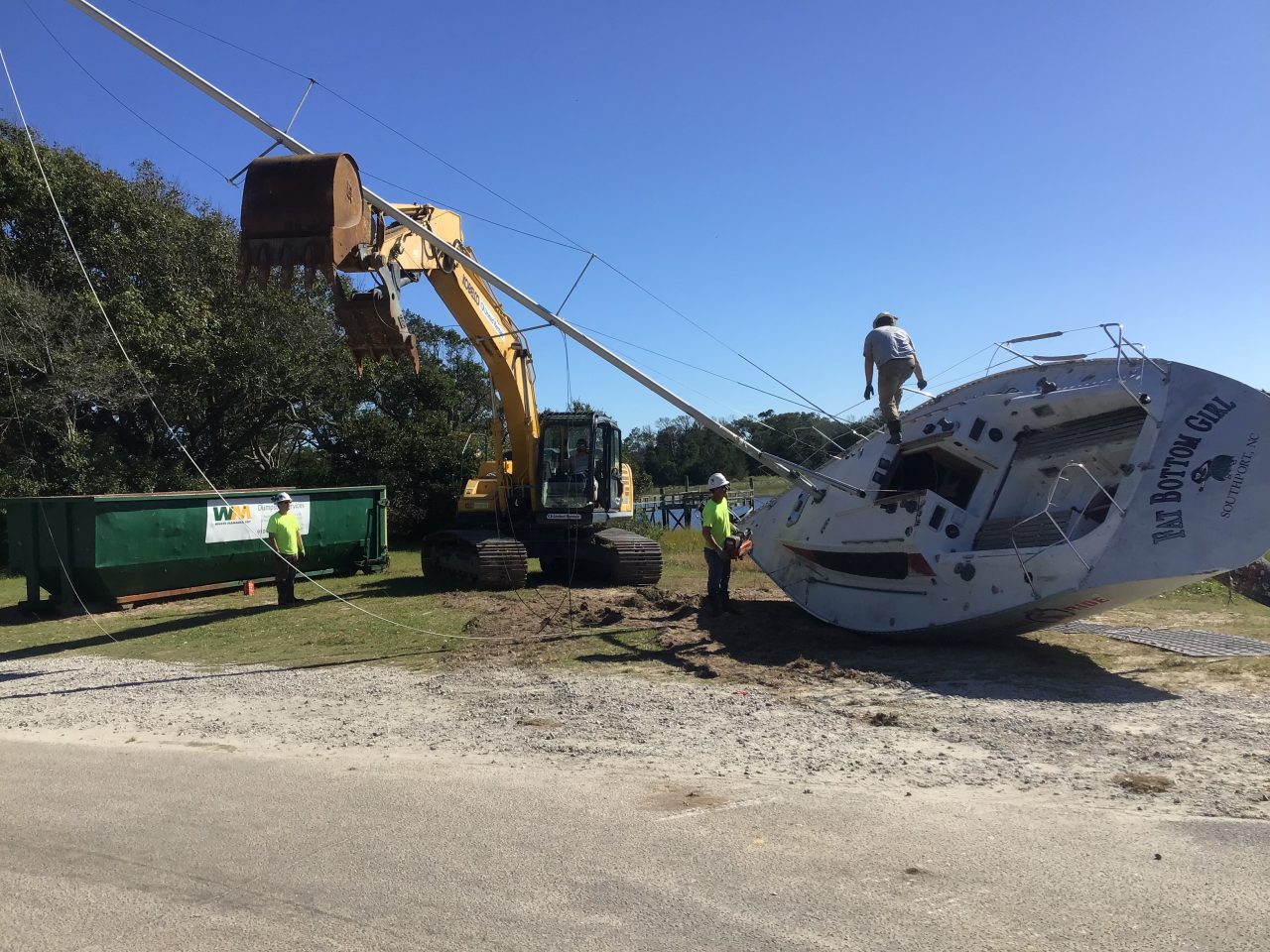
Responding to an Abandoned or Derelict Vessel
Step 1. Report the Vessel
Early reporting is one of the most important steps in addressing abandoned and derelict vessels. Prompt reporting allows the appropriate agencies to investigate ownership, determine jurisdiction, assess environmental and navigational hazards, and coordinate removal before conditions worsen.
For most ADV situations, WRC should be the first point of contact. WRC serves as North Carolina’s lead agency for abandoned and derelict vessel management and can help determine which additional agencies should become involved.
Emergency Situations
If a vessel is actively leaking fuel, presents an immediate threat to navigation, or poses an imminent public safety hazard, immediately notify the U.S. Coast Guard and WRC before proceeding with routine ADV procedures.
When reporting an ADV, collect as much information as possible, including:
- Vessel location (GPS coordinates if available)
- Date and time observed
- Vessel description (size, color, type, identifying features)
- Registration or documentation numbers
- Current condition (floating, grounded, partially submerged, sunk)
- Multiple photographs showing the vessel and surrounding area
- Known ownership information
- Immediate environmental or navigational concerns (e.g., fuel sheen, leaking fluids, obstruction to navigation)
- Name and contact information of the person reporting the vessel (if applicable)
Encourage local staff, law enforcement, marina operators, harbor masters, and the public to report potential ADVs as early as possible before vessels further deteriorate.
Documentation Tip
Photograph the vessel from multiple angles before any work begins. Record the location, date observed, registration numbers, and any evidence of pollution or habitat impacts. Good documentation supports ownership investigations, permitting, reimbursement, and cost recovery.
Step 2. Determine Jurisdiction
Not every abandoned vessel falls under the same jurisdiction. Responsibility depends on where the vessel is located, ownership of the underlying property, navigability of the waterway, environmental impacts, and whether federal interests are involved.
Local Government Authority
North Carolina law provides limited but important authority for local governments to regulate and remove abandoned and derelict vessels within their jurisdictions. Depending on the vessel’s location and applicable local ordinances, counties and municipalities may investigate qualifying ADVs, notify owners, remove vessels under their authority, recover eligible costs, and coordinate with WRC and other agencies throughout the process.
A growing number of North Carolina coastal communities have adopted local ADV ordinances to supplement state authorities and establish local procedures for investigation, enforcement, and removal.
Step 3. Determine Ownership
Whenever possible, ownership should be determined before removal activities begin. Determining ownership is essential because owners may voluntarily remove the vessel, may be responsible for removal costs, or must receive required notifications before enforcement actions can proceed.
Potential sources include:
- Vessel registration numbers
- U.S. Coast Guard documentation
- Marina records
- Property owner information
- Interviews with neighboring property owners or marina operators
- Previous enforcement records
Once ownership is identified, local governments should follow applicable notification procedures established under state law or local ordinance before pursuing removal. Proper documentation throughout the investigation and removal process can support future cost recovery efforts when authorized.
If ownership cannot be determined, WRC can assist with additional investigation.
Step 4. Assess the Vessel
Before planning removal, evaluate the vessel’s condition and any risks it presents.
Questions to consider include:
Navigation and Public Safety
- Does the vessel obstruct navigation?
- Is it creating hazards for recreational or commercial boating?
- Does it present risks to emergency responders?
Environmental Concerns
- Is fuel, oil, or hazardous material present?
- Is the vessel leaking pollutants?
- Is it located within marshes, oyster habitat, SAV, or other sensitive resources?
Structural Condition
- Floating, grounded, partially submerged, or sunk?
- Stable enough to tow?
- Likely to break apart during removal?
Accessibility
- Can equipment safely access the vessel?
- Is removal possible from existing roads, waterways, or boat ramps?
- Will temporary access be needed?
Early assessment helps determine the safest, most cost-effective removal approach.
Tackle Trash
You can help clean up our coast—from hurricane debris to microplastics.