Strengthening the Future of Coastal Leadership
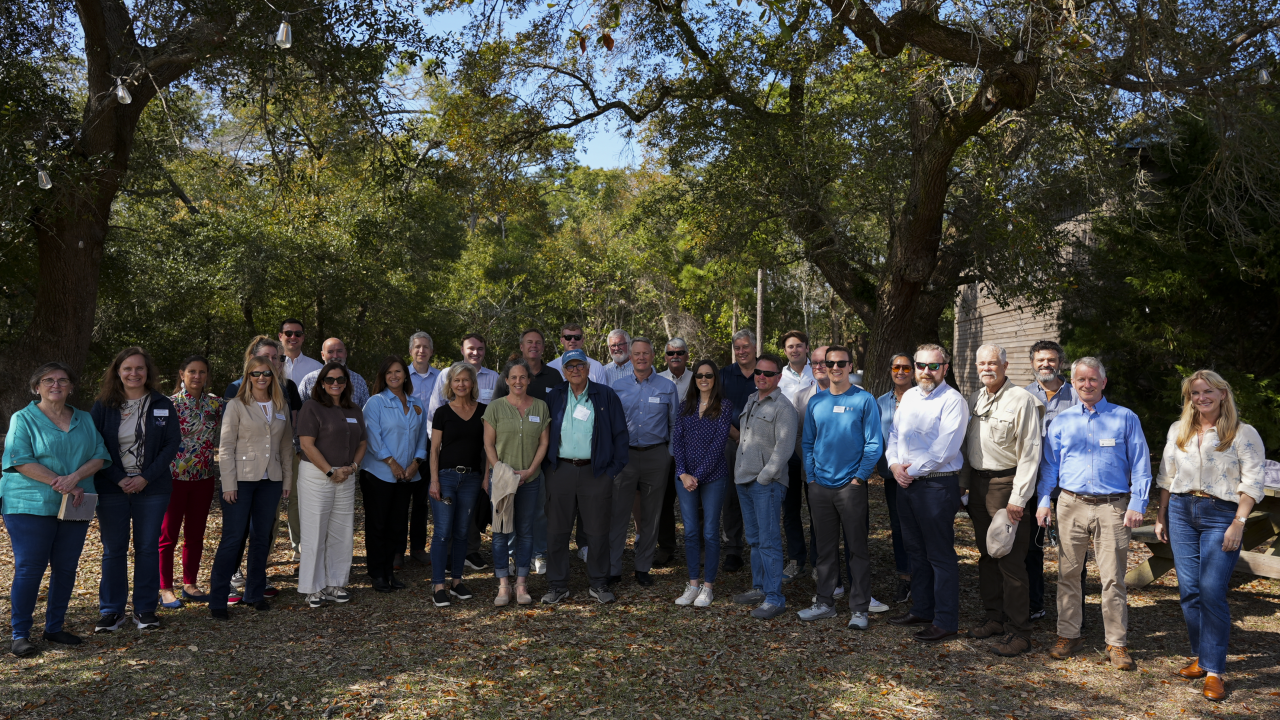
This month marked the launch of the Federation’s Coastal Leadership Institute!
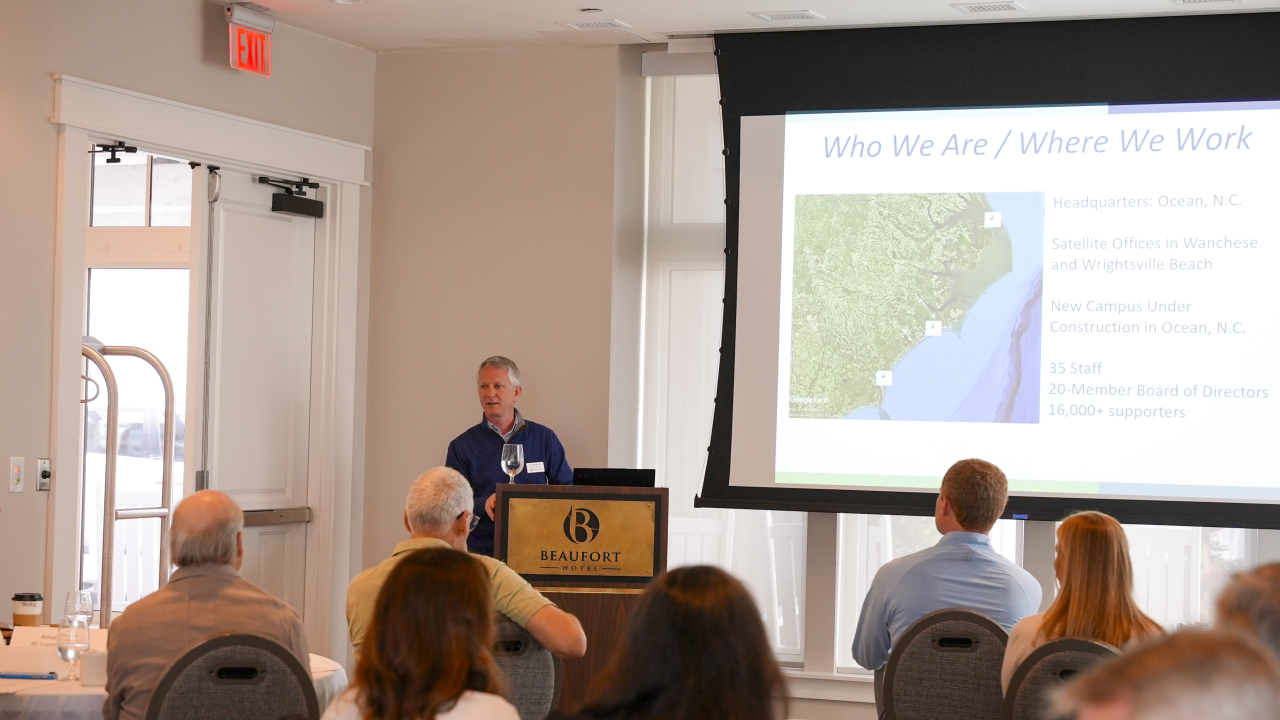
The cohort-based program brings together leaders from government, business, academia, nonprofit organizations, and coastal communities whose work shapes the future of the North Carolina coast. Through six immersive 2-day sessions held throughout the year, participants will learn from experts, community members, and fellow leaders while exploring the scientific, economic, and policy issues shaping coastal communities.
“For more than forty-two years, the Coastal Federation has brought people together to find common ground around protecting and sustaining our coast,” said Braxton Davis, executive director of the North Carolina Coastal Federation. “The Coastal Leadership Institute builds on that tradition by creating a space where leaders from across North Carolina can learn from one another and better understand the challenges and opportunities facing coastal communities.”
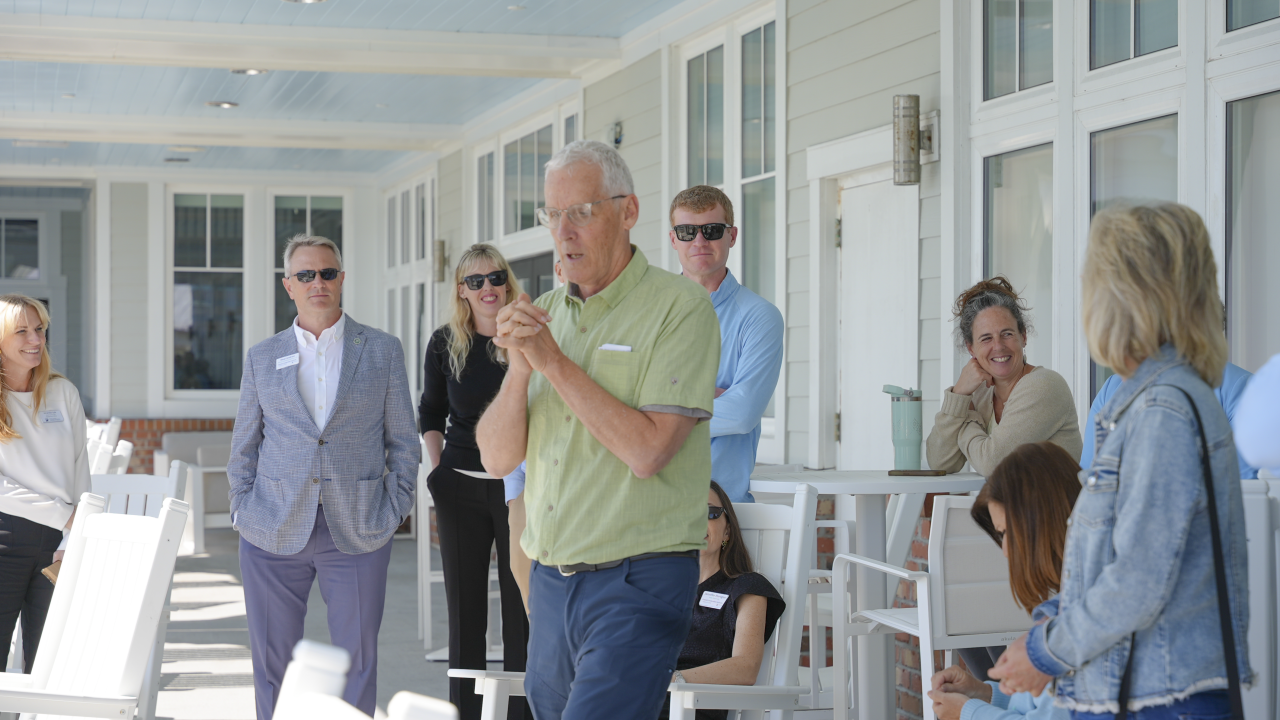
The first day was spent in Beaufort exploring NC’s coastal history and heritage with Bland Simpson, Dr. David Cecelski, and Mayor Sharon Harker. On day two, Karen Amspacher of the Core Sound Waterfowl Museum and Down East Resilience Network guided a tour exploring the region’s working waterfronts, traditions, cultural heritage, and the challenges facing coastal communities.
The 2026 cohort marks the inaugural year of the Coastal Leadership Institute, launching a program the Federation intends to grow into a lasting initiative that builds a strong network of connected coastal leaders across North Carolina.
Working Together for Healthier Shores
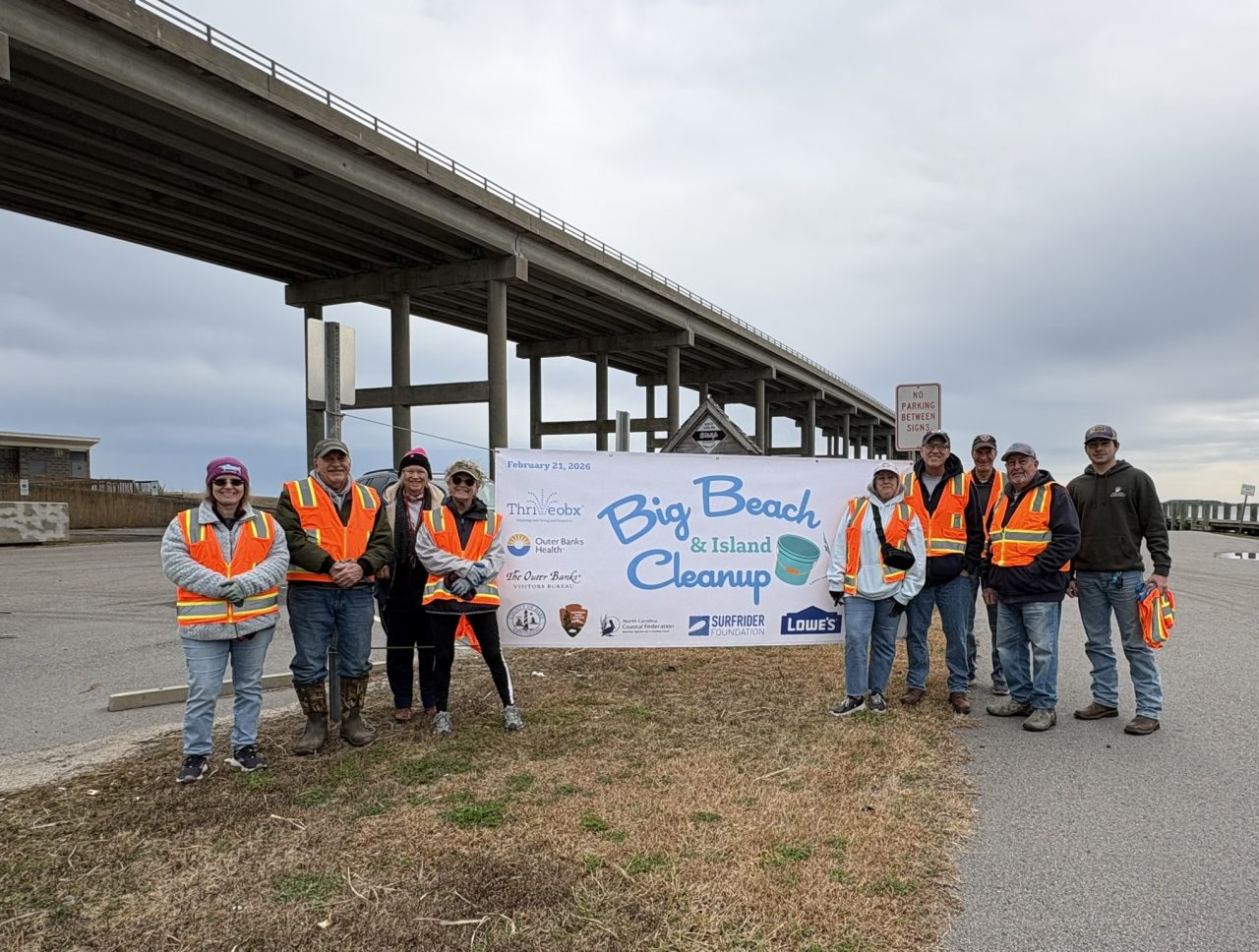
At the end of February, we teamed up with Outer Banks Health and ThriveOBX for the Big Beach and Island Cleanup. Throughout this community-wide marine debris cleanup, the two sites hosted by the Federation engaged 12 volunteers, who removed over 400 pounds of debris.
These efforts show the Federation’s commitment to cleaning up debris both large and small, and to implementing the North Carolina Marine Debris Action Plan (2025–2030), which provides a coordinated framework to reduce marine debris and its impacts on the state’s coastal ecosystems, communities, and economy.
Students Making Waves
Students from the University of Vermont dedicated their Spring Break to completing service work and helping us out earlier this month! The group spent a week on the Outer Banks with our Education Director, Sara Hallas, lending a hand for various projects.
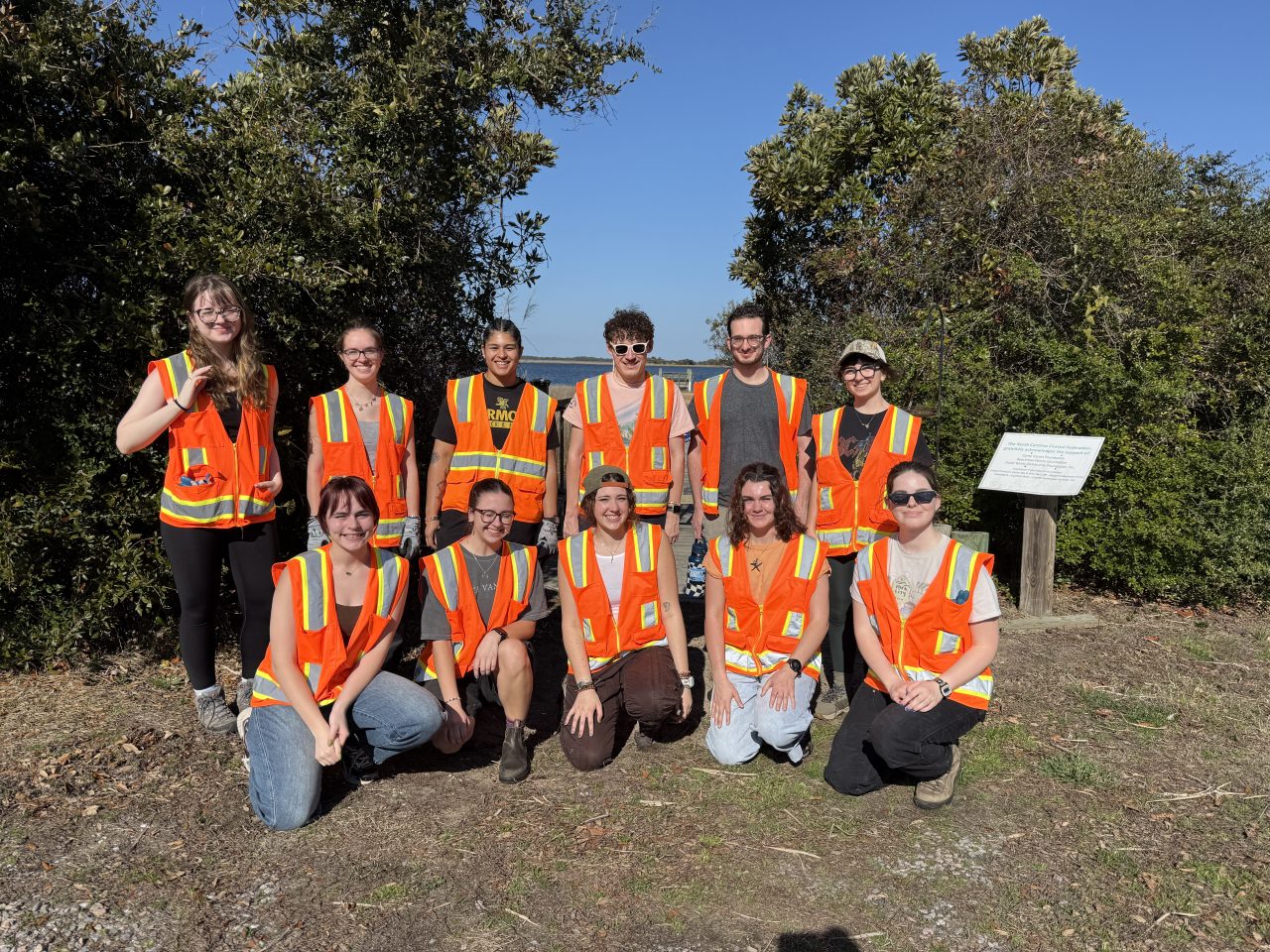
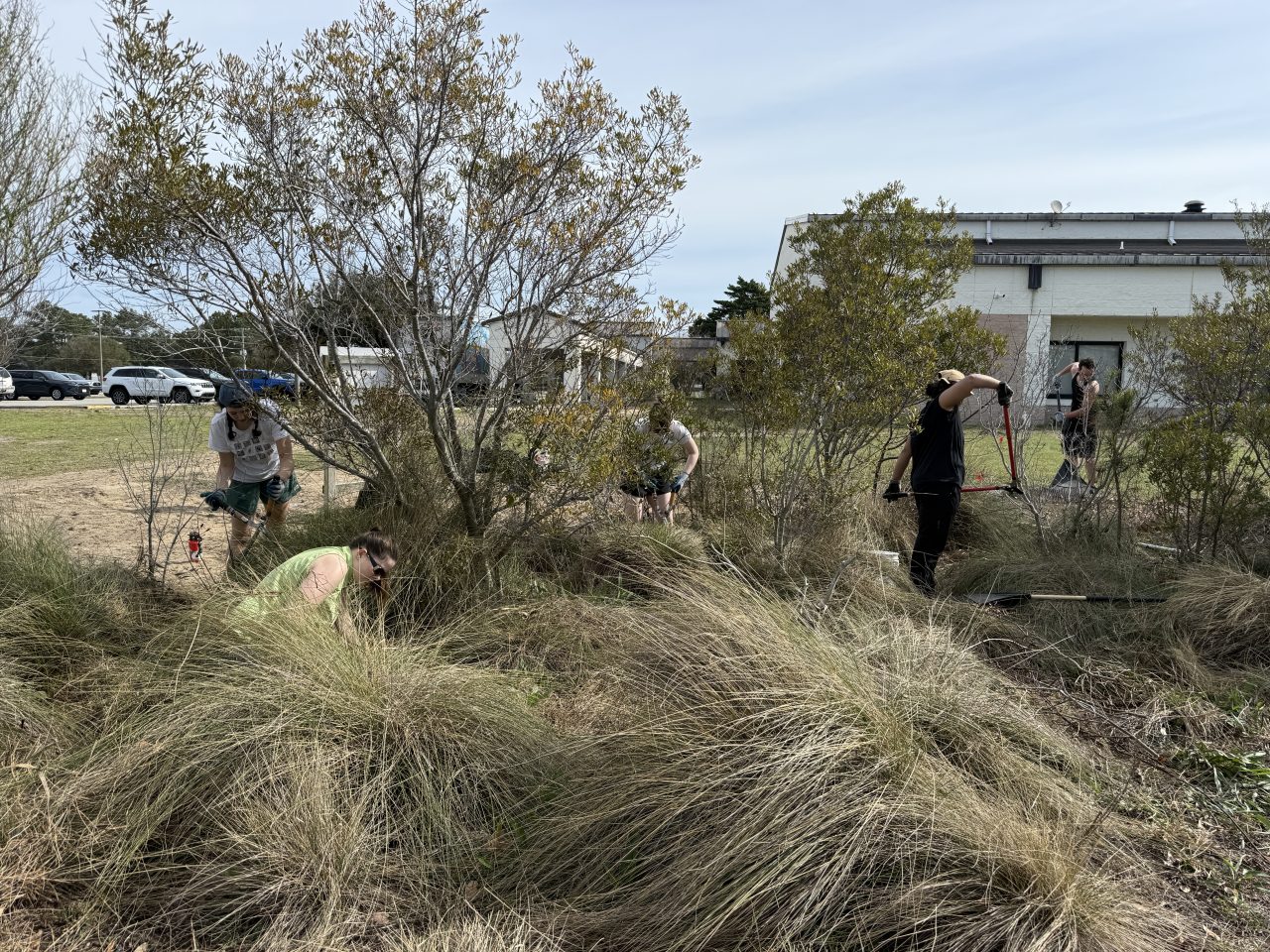
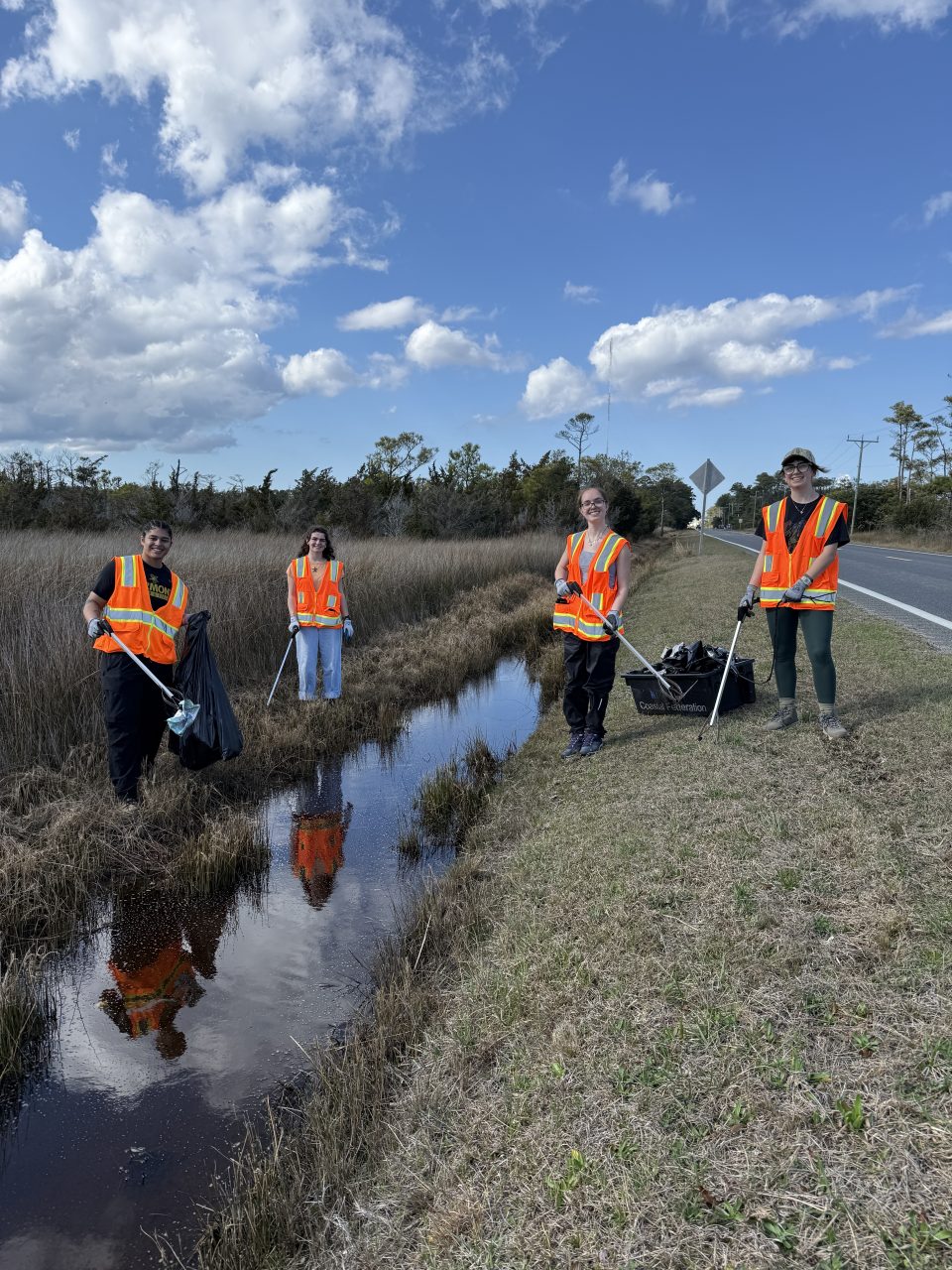
The students helped with our Big Beach and Island Cleanup, significantly contributing to the marine debris collected, and completed much-needed maintenance work at one of our schoolyard rain gardens just in time for spring! One of our incredible community partners, Island Farm, was even kind enough to host the students for a day.
We so appreciate their time and dedication, and their decision to travel to our coast to give back during their Spring Break!
Set Sail for Spring Birding Adventures
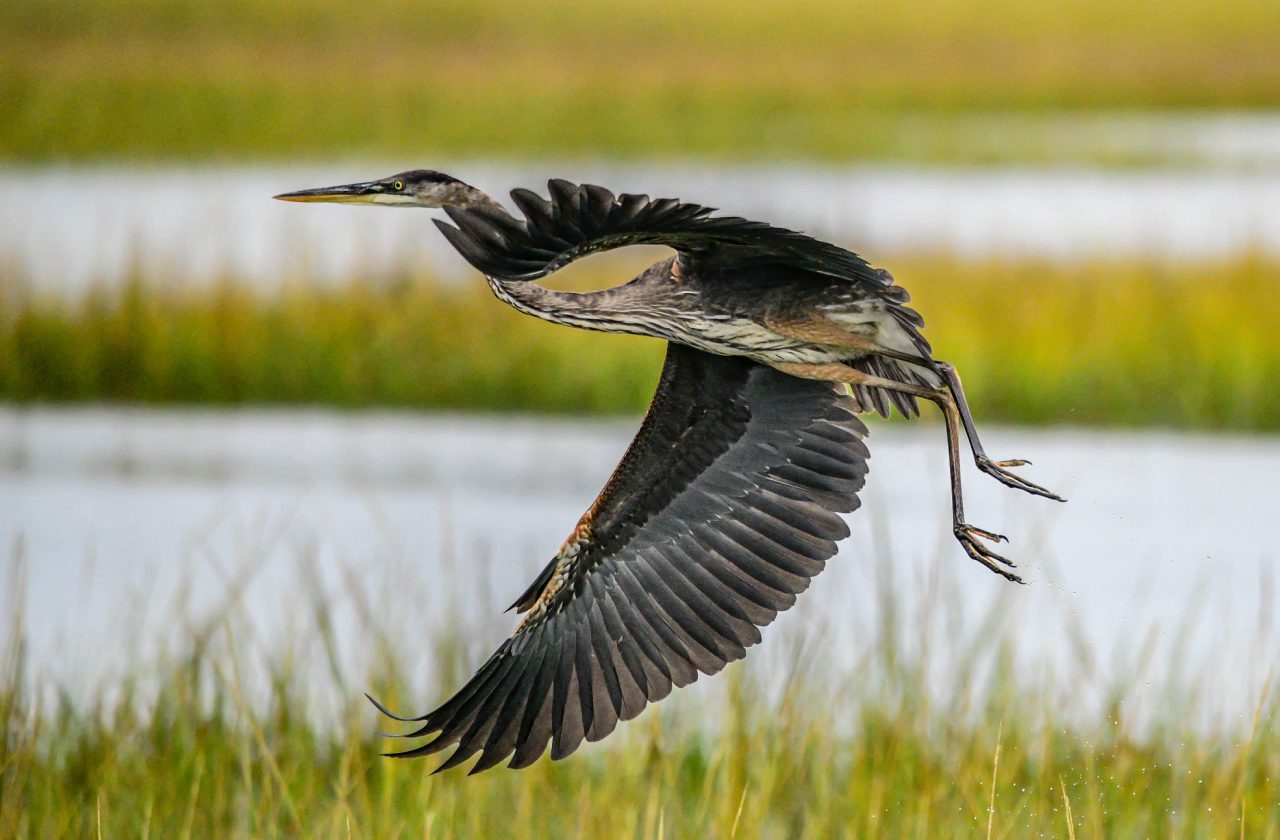
Join local birding experts for an educational cruise on the White Oak River in Swansboro. The group will slowly cruise on a covered ferryboat through the estuaries in and around the White Oak River and Bogue Sound, including Huggins and Bear Islands, looking for resident and migratory birds.
Participants will meet at the Lady Swan Boat Tours dock in downtown Swansboro and are asked to bring their binoculars, water, a snack, and dress appropriately for the weather. The program fee is $35. All ages are welcome, though the program is geared toward adults and older children.
To register, click the button below, and select “Book Now”, then “Birding Cruise on the Lady Swan”. You’ll see a calendar to the right of the page with different dates (highlighted in green) to choose from. You can also call Lady Swan Tours at (910) 325-1200 for help with registration. There is a maximum of 24 participants.
Spring cruise dates include March 22, April 12, May 3, and June 14.
Exploring the Newport River Preserve
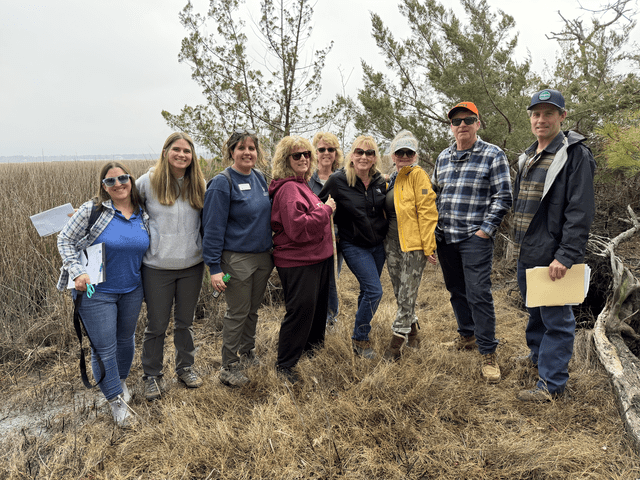
Community partners from The NC Coastal Land Trust, Carteret County Parks & Recreation, Friends of the Mountains to Sea Trail, and Carteret Soil & Water recently explored the future Newport River Watershed Preserve. Highlights included seeing a Spotted Turtle and hiking through riverine swamp and salt marsh habitats.
Among other key stakeholders, these advisors will guide restoration and recreation efforts for the 3,000+ acre site, which will one day host public nature trails and wildlife viewing opportunities.
Special thanks to Restore America’s Estuaries, the EPA, National Estuaries Program – Watersheds Grants, NC Land and Water Fund Flood Risk Reduction Program, NC Coastal Land Trust, and National Fish & Wildlife Foundation’s National Coastal Resilience Fund for supporting this work.
In the News
- North Carolina Coastal Federation launches Coastal Leadership Institute to connect leaders across the state – Carteret County News-Times