Restoring Wetlands
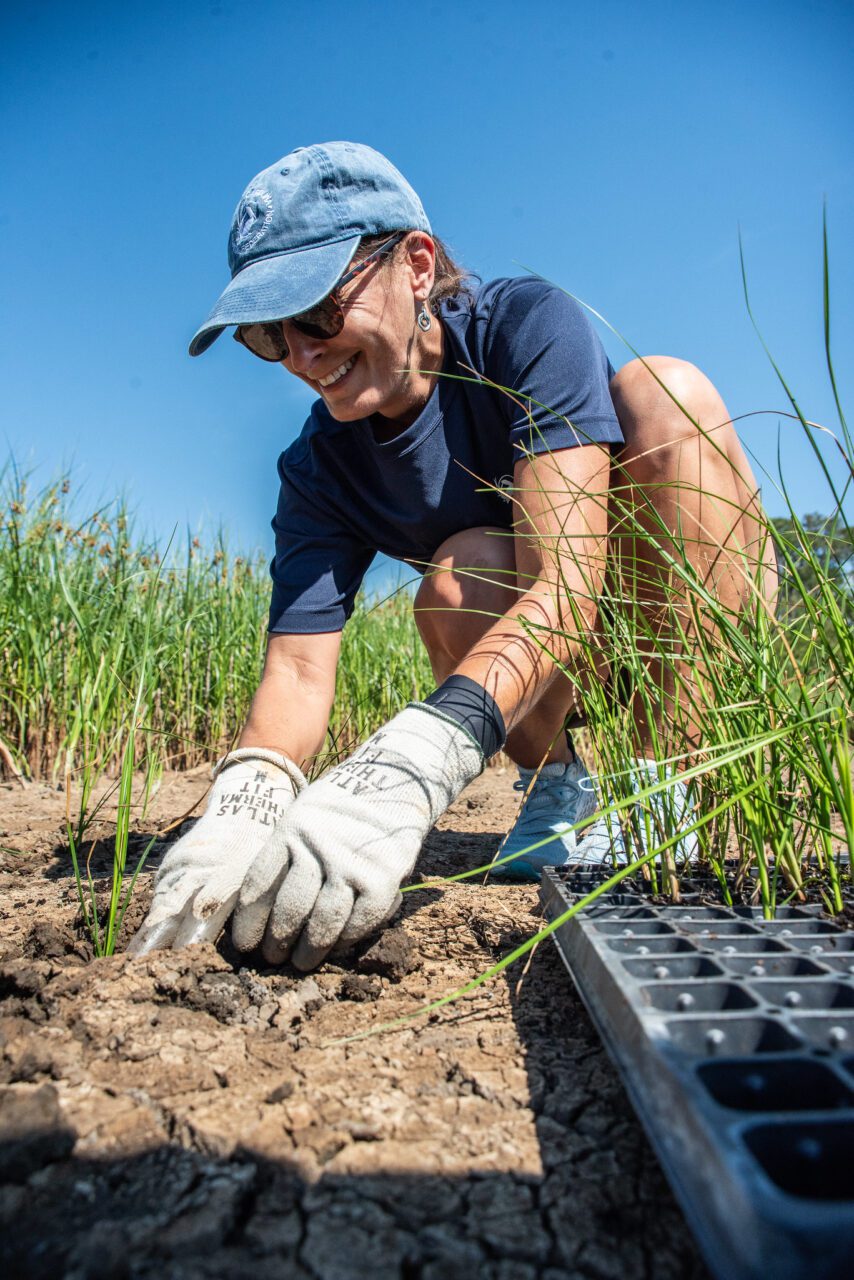
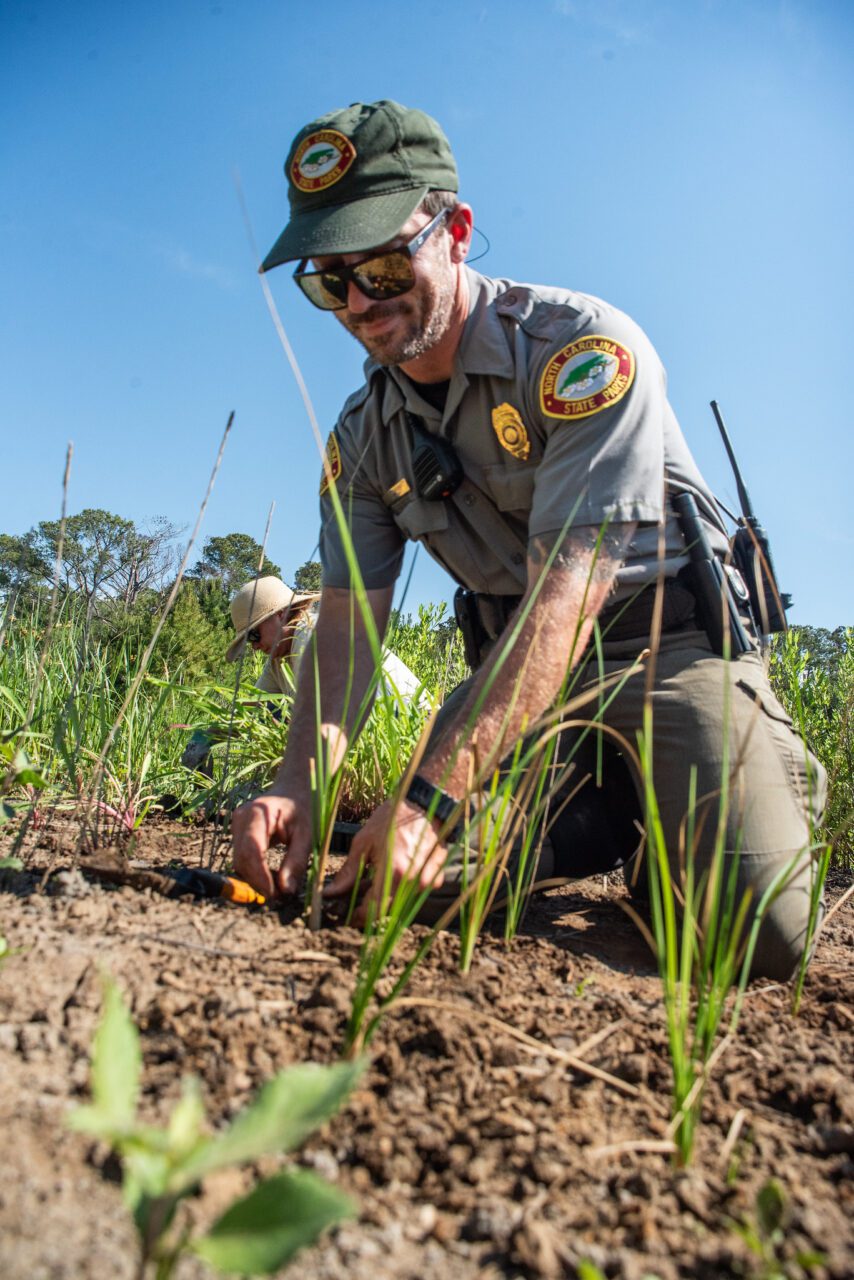
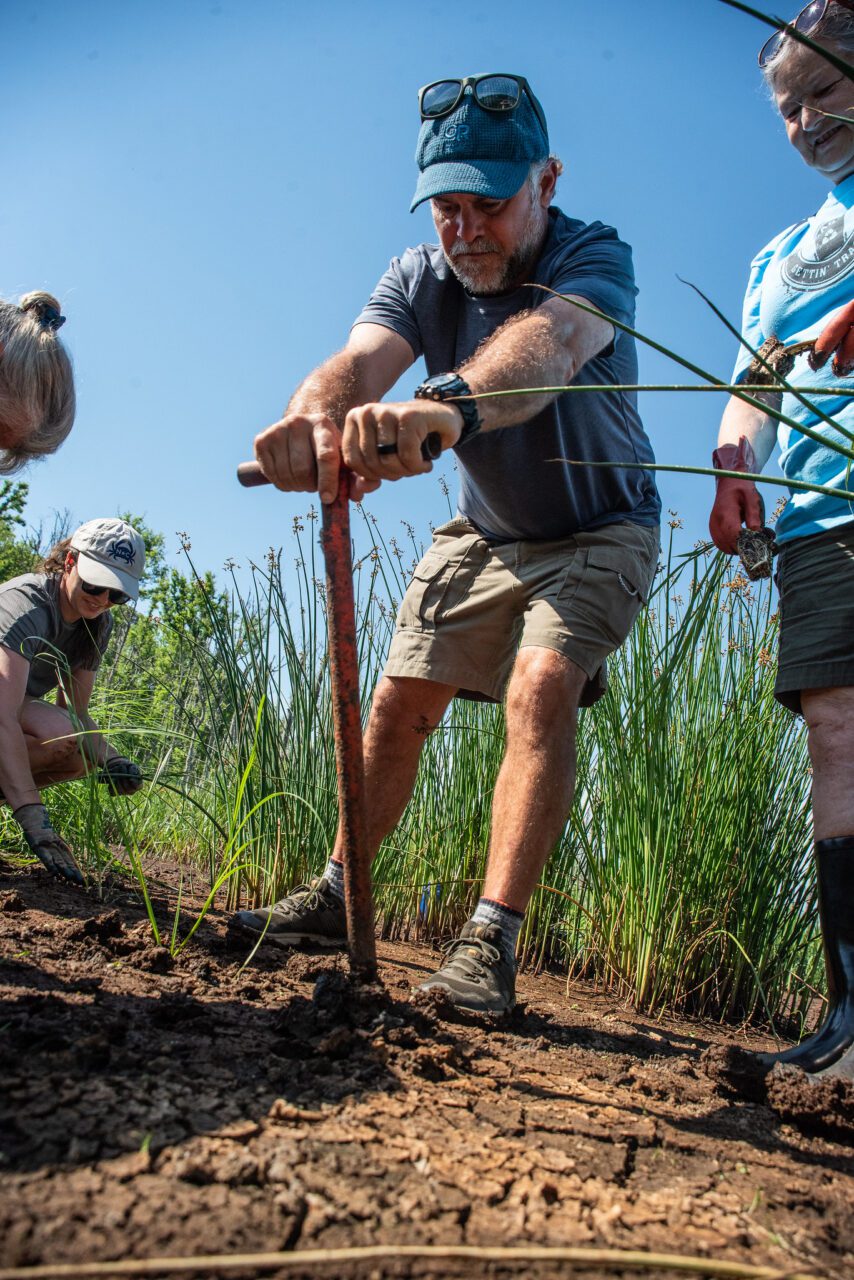
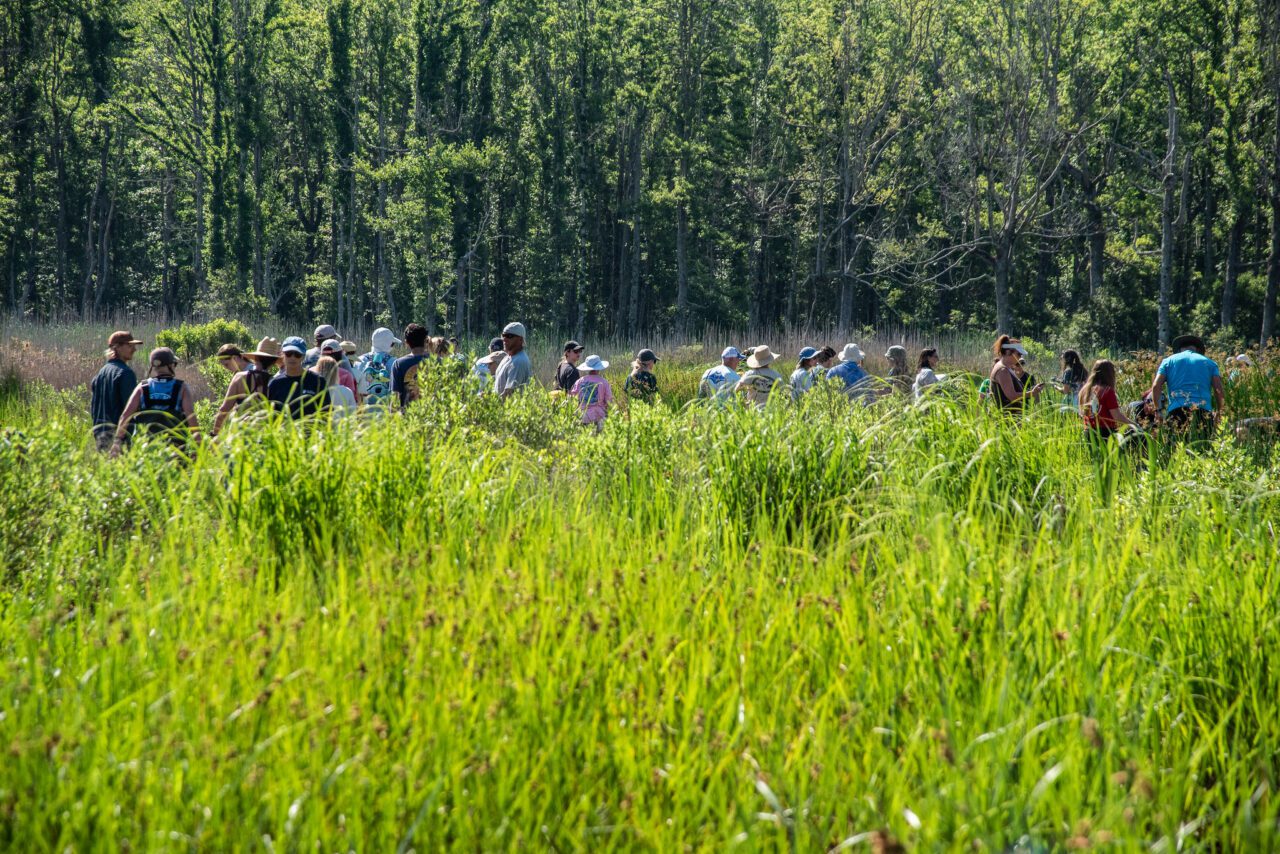
This month, work to restore an area of wetlands at Carolina Beach State Park continued with the help of 70 volunteers that included fabulous community partners Bryant Real Estate; NCSU’s NC Center for Coastal Algae, People, and the Environment; Carolina Beach Police Department; Carolina Beach Trash Walkers; DEQ Shellfish Sanitation Section; NC Aquarium at Fort Fisher; Friends of Pleasure Island State Park, Funky Fins; Pleasure Island Soccer Association, Thermo Fisher Scientific and Trailborn Surf & Sound.
This dedicated group of volunteers rolled up their sleeves to help plant more than 5,000 plugs of wetland grasses.
“Involving volunteers in wetland restoration not only strengthens our impact on the ground, but also builds a deeper connection between people and the natural spaces we’re working to protect,” explained Bonnie Mitchell, the Federation’s Coastal Education Coordinator. “When volunteers get their hands dirty planting native species and restoring habitat, they become powerful advocates for coastal conservation in their communities.”
Their effort is part of a larger project at the State Park to remove invasive plant species and replant native wetland grasses. The work is nearing completion with one final volunteer planting expected to take place this fall.
Thank you to everyone who joined us!
New Mural Honors Local Supporters and the Beauty of the Estuary
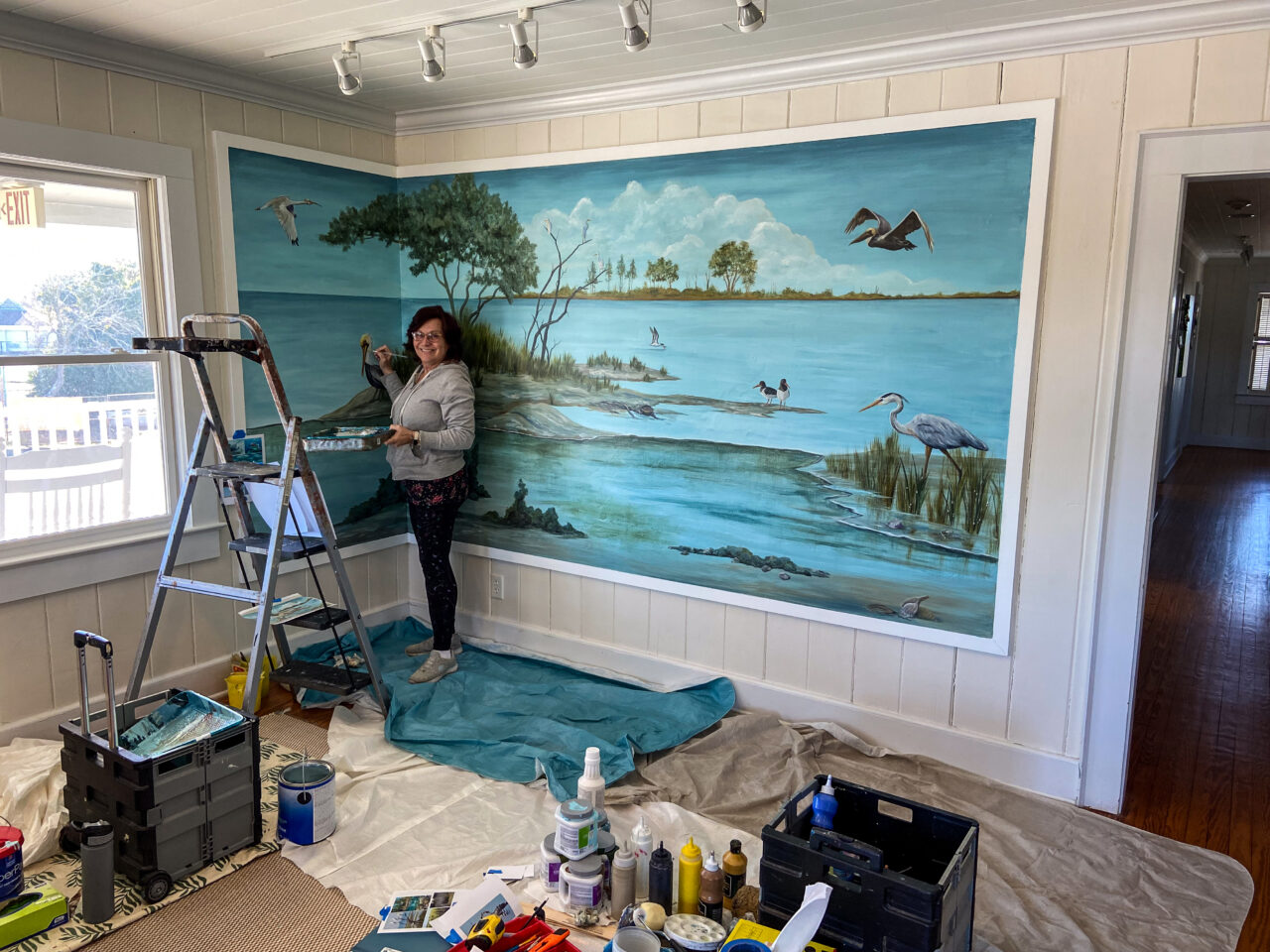
Our southeast office celebrated more than a dozen years on The Loop at Wrightsville Beach earlier this month with an Open House at the end of April. Our southeast team shared updates on local projects with visitors and unveiled a new mural painted by Carolina Beach artist Susan Nuttall. The mural features an array of local flora and fauna, and recognizes local supporters who helped establish the southeast office back in 2013. “Susan was fantastic to work with, and we’re thrilled to have this gorgeous new illustration of the plants and animals that make our coastal habitats so unique,“ said Development Director Sarah King.
The southeast office, housed in the historic Palmgren-O’Quinn house, was originally located on the other side of Harbor Island near the aptly-named Live Oak Drive. Because there are so many beautiful, low-hanging oak branches, it was not possible to move the house by land, so we moved it by sea! The house was loaded onto a barge, where it traveled around the island and under the Wrightsville Beach drawbridge, before coming across Salisbury Road to the Historic Square to become our permanent home.
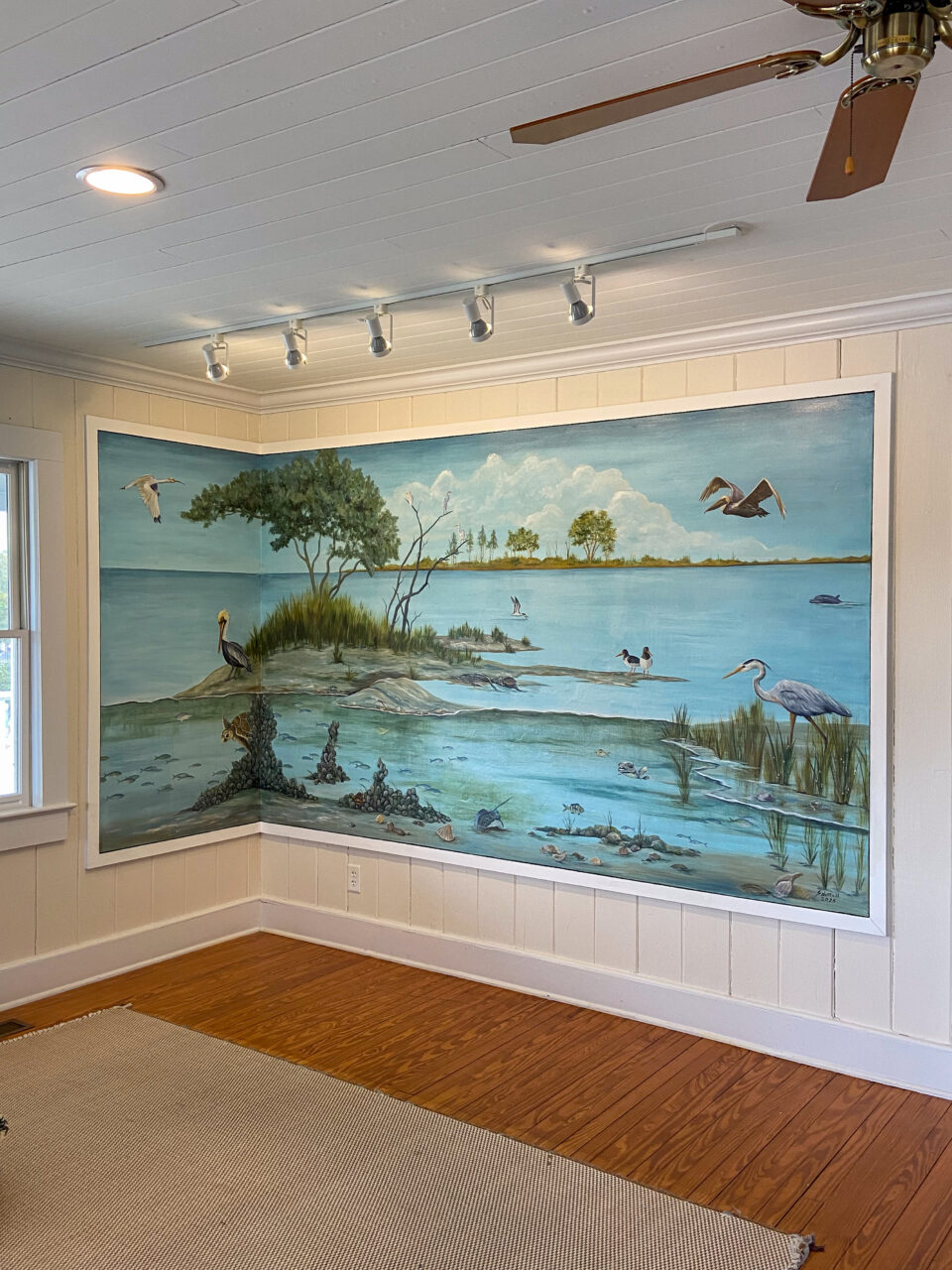
Limited edition notecards commemorating the new mural are available in our gift shop!
Save the Date!
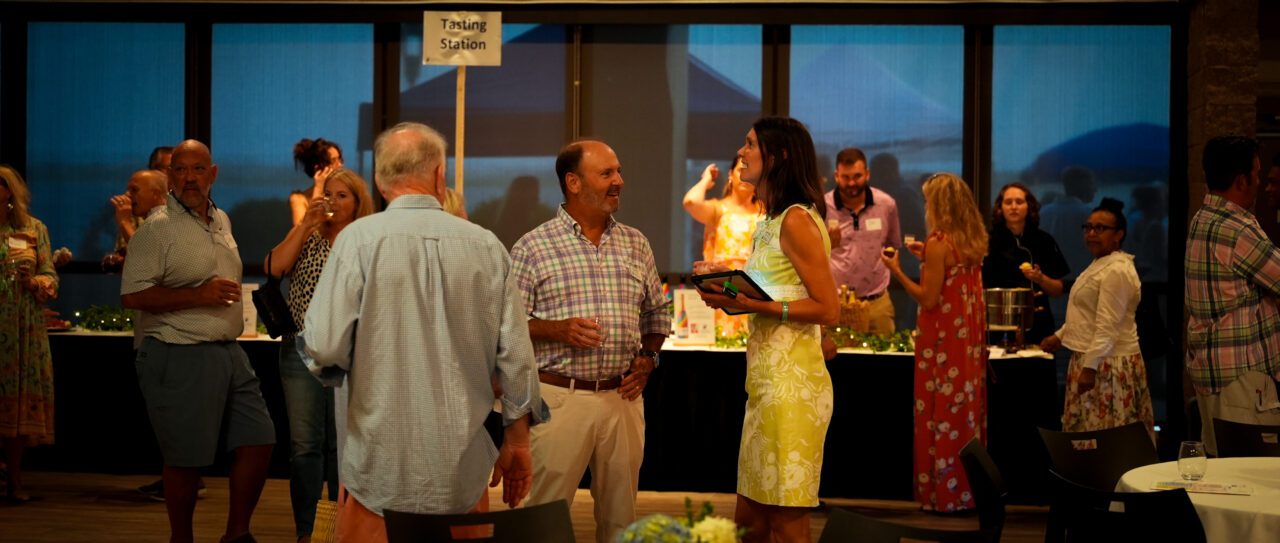
Mark your calendar and make plans to join us on September 20 at this year’s Pelican Awards and Taste of the Coast Celebration in beautiful Morehead City.
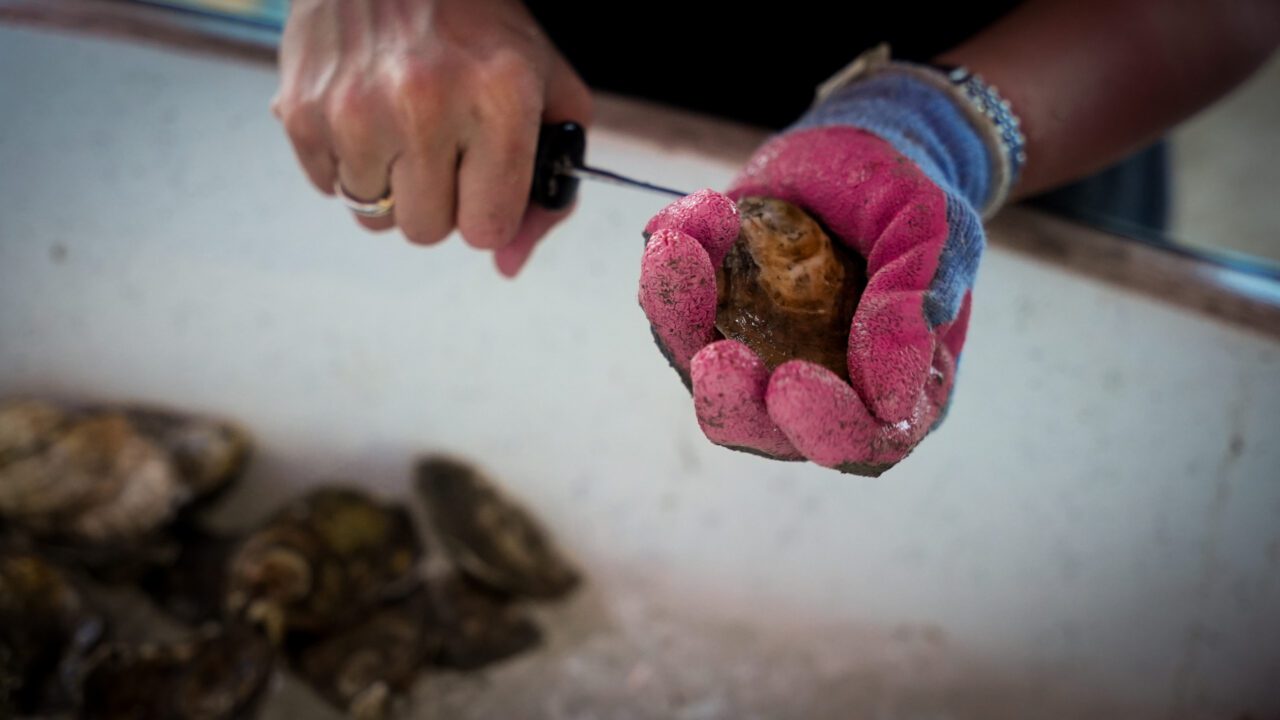
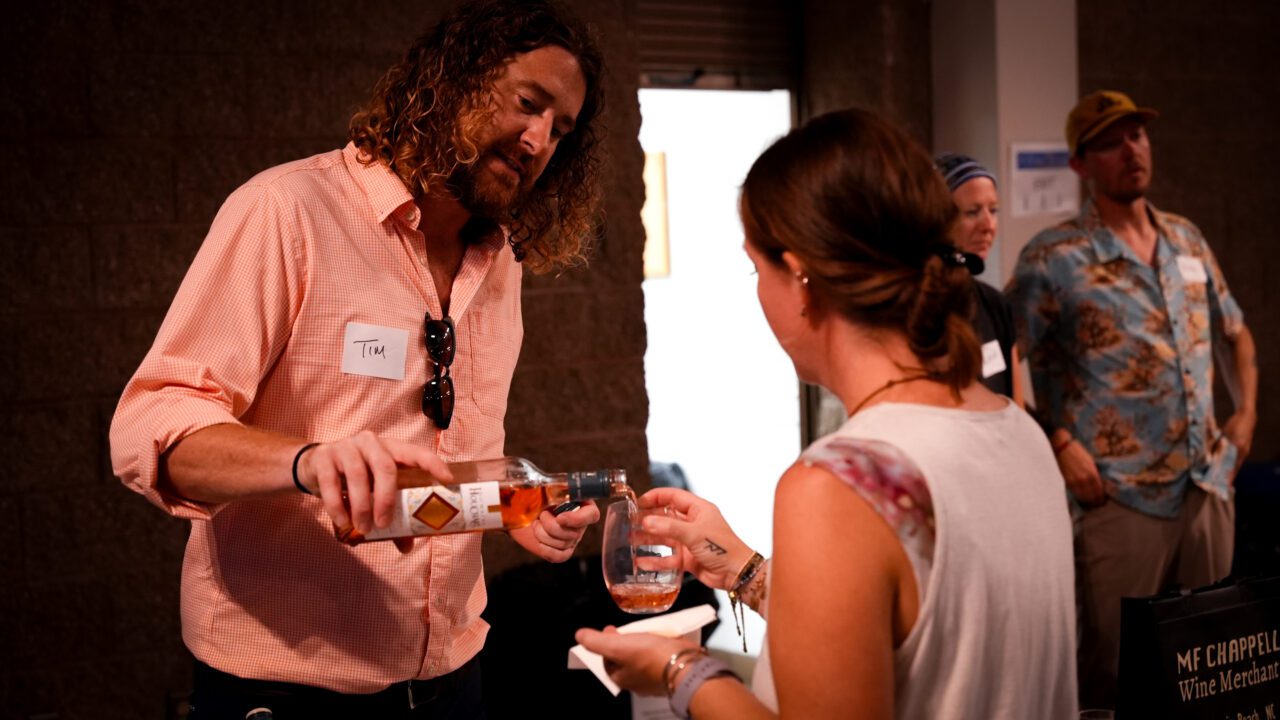
This special evening will include a celebration of some of the inspiring champions of our coast, as we proudly present our annual Pelican Awards. The celebration continues later in the evening at our Taste of the Coast event at the Crystal Coast Civic Center. The night will feature drinks, great food, and a chance to sample delicious locally grown NC Oysters. The celebration will also feature a silent auction and so much more!
We hope to see you there!
Supporting the Coast
We’d like to thank this month’s sponsors for their support. Thank you, Arendell Engineers, Carolina Brewery, Moffat and Nichols, SeaGlass, and The Beaufort Hotel.
In the News
- Volunteers take part in wetland planting at Carolina Beach State Park – WECT
- North Carolina Coastal Federation launches salt marsh nursery -WITN
- Historian David Cecelski: Carolina coast still worth the fight – Coastal Review
- Volunteers needed for wetland restoration at area state park – Port City Daily
- Officials set to unveil sweeping restoration effort for state park — here’s why the timeline is critical – Yahoo!